Good hygiene practices are among the strongest pillars of preventive healthcare. From reducing infections to improving community well-being, hygiene plays a vital role in strengthening public health outcomes across India.
From preventing acute diarrhoeal infections to mitigating the risk of respiratory illnesses, appropriate hygiene measures are a cornerstone of preventive healthcare. However, when it comes to India, lack of public awareness, infrastructural constraints, economic factors and behavioural issues remain major impediments in adopting proper hygiene measures across the population.
Challenges Faced by India in Hygiene Practice
According to UNICEF (United Nations International Children's Emergency Fund), during 2015, close to 568 million people practised open defecation owing to a lack of toilet access. Poor sanitary practices increased the risk of waterborne diseases such as cholera and typhoid by contaminating water bodies and soil.
The World Bank further reported that in 2024, around 10.66% of the rural population continued to practise open defecation.
This is in addition to the lack of awareness regarding handwashing with soap, either after using the toilet or before meals and snacks. Behavioural issues and limited awareness significantly contribute to improper hand hygiene practices in India, where many individuals wash hands only with water instead of soap.
Despite these challenges, households have shown notable improvements in sanitation facilities. According to the National Family Health Survey (NFHS), households with handwashing facilities equipped with soap and water improved from 60% in NFHS-4 to 78% in NFHS-5.
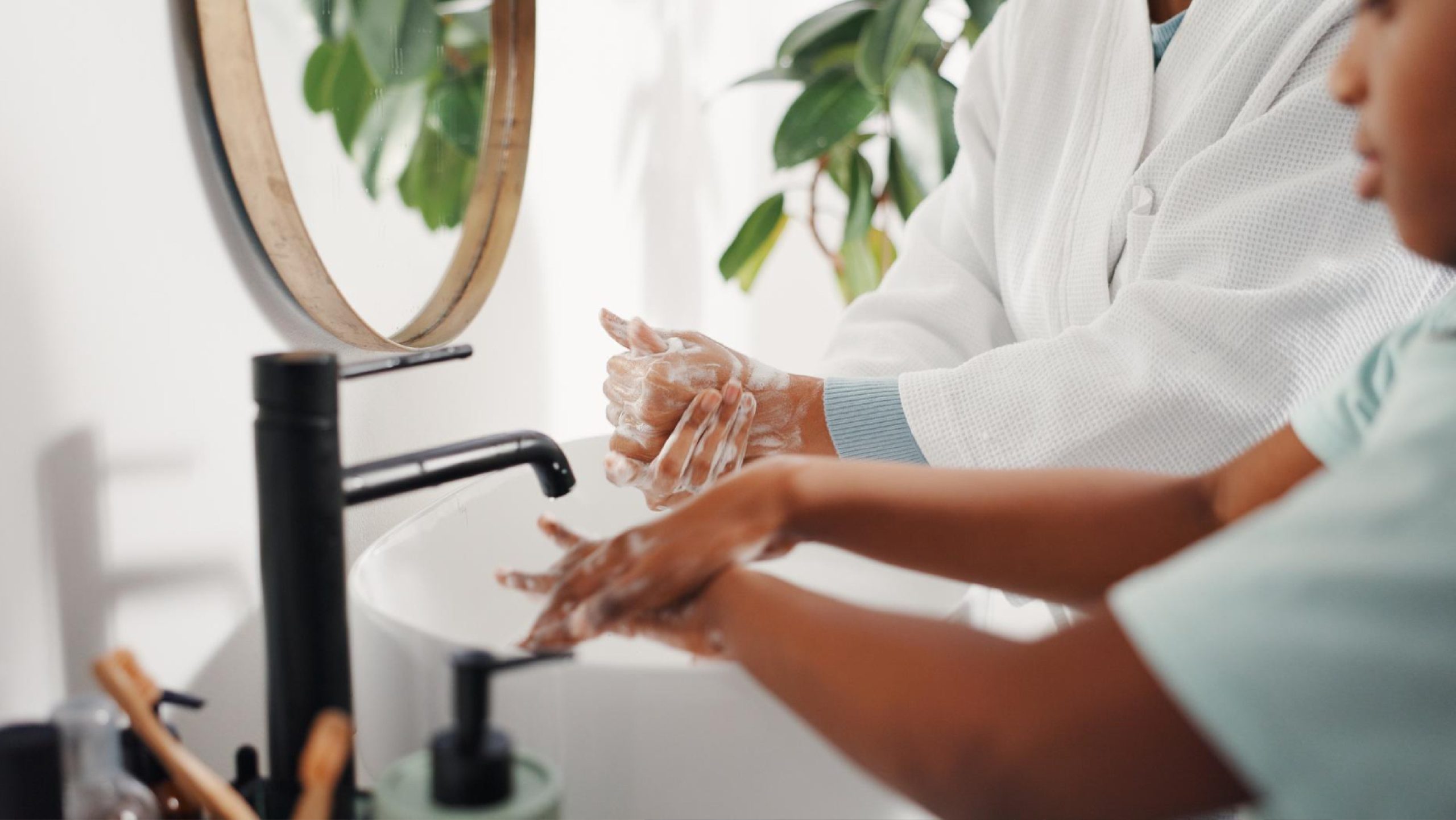
Among all hygiene practices followed in daily life, proper handwashing remains one of the most crucial.
Lack of public health awareness has also contributed to poor environmental hygiene, improper waste management and inadequate oral care practices.
Proper Hygiene: The First Line of Defence
Following proper hygiene measures serves as the first line of defence against several major health problems. Preventing the spread of bacteria, viruses and parasites helps reduce the risk of illnesses ranging from common colds and diarrhoeal infections to diseases spread through contaminated food and water, such as typhoid.
Increasing public health awareness and encouraging good hygiene and sanitation practices can significantly strengthen preventive healthcare efforts in India.
Essential Hygiene Measures to Follow Daily
- Proper Cleaning of Hands: Hands should be washed thoroughly with soap while handling raw meat and fish products, blowing the nose, changing diapers, using the toilet, touching pets, handling garbage containers or coming into contact with toxic substances. Fingers and the back of the hands must be properly lathered before rinsing under running water. If water is unavailable, alcohol-based sanitisers may be used. Soap or liquid hand wash should always be used when hands are visibly dirty, before meals and after using the toilet. Hot air hand dryers inside washrooms should be avoided as they may circulate bacteria-laden air.
- Appropriate Waste Management: Waste should be segregated into dry and wet categories before disposal. Public littering should be avoided, and sanitary waste must be disposed of responsibly.
- Clean Indoor Spaces: Maintaining cleanliness in homes and workplaces is essential. Regular dusting can help reduce allergic reactions such as sneezing, coughing and chronic nasal congestion.
- Essential Hygiene Routine: Covering the nose and mouth while sneezing or coughing, consuming hygienically prepared food and maintaining good personal hygiene should be part of everyday life. Wearing a mask while suffering from cough or cold can help prevent the spread of viruses.
Conclusion
Raising public health awareness and encouraging proper hand hygiene practices are essential for India. Good hygiene habits are a key component of preventive healthcare and can significantly reduce the burden of infectious diseases while improving overall community health.