

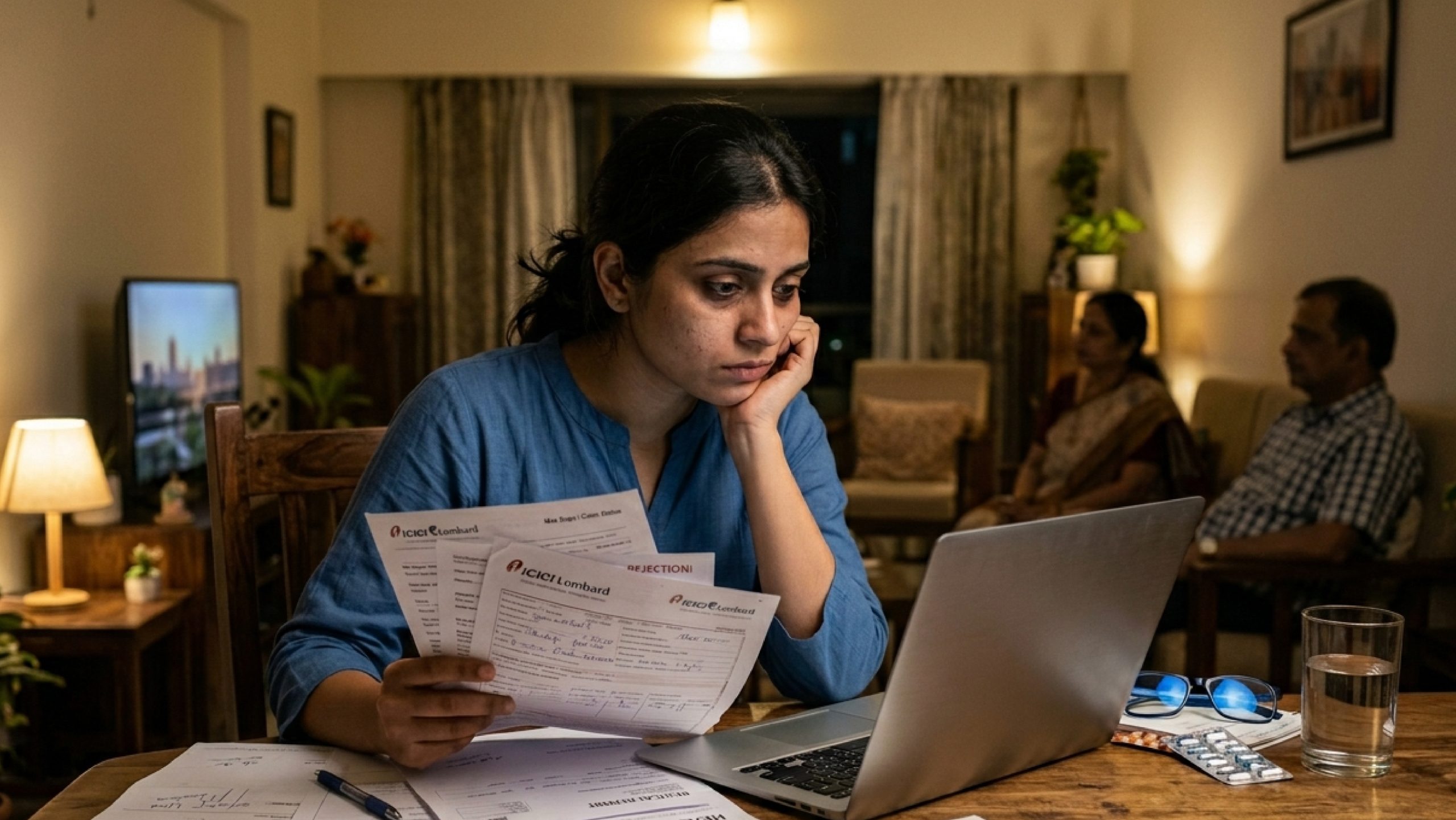
Autoimmune diseases often remain unseen yet deeply impact patients physically, emotionally, and financially. Delayed diagnosis, rising treatment costs, and insurance limitations continue to create major challenges for individuals living with invisible illnesses in India.
Autoimmune diseases, often described as invisible illnesses, occur when the immune system starts attacking healthy cells, joints and tissues, leading to fatigue, inflammation and pain. Due to the absence of disease-specific symptoms during the early stages, these conditions are frequently misdiagnosed.
High diagnostic expenses, ongoing medication costs, frequent doctor visits and insurance gaps related to inclusion and exclusion criteria further complicate the situation for patients and families.
Autoimmune Diseases in India
Systemic lupus erythematosus, Crohn’s disease and multiple sclerosis are among the autoimmune diseases reported in the Indian population.
Previous research estimated the prevalence of lupus in India to be around 3.2 per 100,000 population. Lack of awareness, expensive treatment costs and additional health complications caused by lupus are some of the major challenges faced by patients in India.
Lupus is also highly heterogeneous, meaning no two individuals experience the same symptoms. Manifestations can range from anaemia and low platelet count to kidney-related complications. The overlap of symptoms with other illnesses can often result in misdiagnosis and delayed treatment.
The situation is similar for Crohn’s disease and several other autoimmune disorders, where delayed diagnosis frequently causes disease progression, increasing emotional and financial strain on patients and their families.
Lack of Awareness Among the General Population
Lack of awareness regarding lupus and other autoimmune diseases remains one of the major obstacles in India. When coupled with delayed diagnosis or misdiagnosis, the resulting complications can sometimes become irreversible, significantly affecting a patient’s quality of life.
Insurance Gaps for Invisible Diseases in India
Insurance coverage for autoimmune diseases continues to face several limitations related to inclusion and exclusion criteria. Although many insurance providers now offer policies covering autoimmune disorders such as lupus and Crohn’s disease, coverage often comes with conditions and restrictions because these illnesses are chronic in nature.
Inclusion and Exclusion Criteria
Coverage for autoimmune diseases depends largely on the insurance provider and the policy selected. If the condition is considered preexisting, waiting periods may apply and can extend for several years. During this period, policyholders may not be eligible to claim insurance benefits related to the disease.
Insurance providers may also impose different inclusion and exclusion criteria for treatment modalities, depending on the company’s policy structure. In some cases, there may be limits on the maximum amount covered for treatment expenses.
Points to Consider When Buying an Insurance Policy
- The Policy Must Be Comprehensive: Patients should opt for comprehensive health insurance policies and carefully review policy documents, especially sections covering included and excluded conditions along with waiting periods.
- A Higher Sum Should Be Insured: Since autoimmune diseases such as lupus involve high treatment expenses, selecting a policy with a higher sum insured can provide better financial protection. Proper financial planning is important to manage the higher premium requirements.
- Need for Advanced Intimation: To ensure smoother insurance processing, informing the TPA (third-party administrator) in advance about any planned medical procedure is advisable.
Conclusion
Early diagnosis plays a crucial role in preventing severe complications associated with autoimmune diseases such as lupus. Alongside timely medical intervention, having a comprehensive insurance policy can significantly reduce the financial burden faced by patients and their families during long-term treatment.