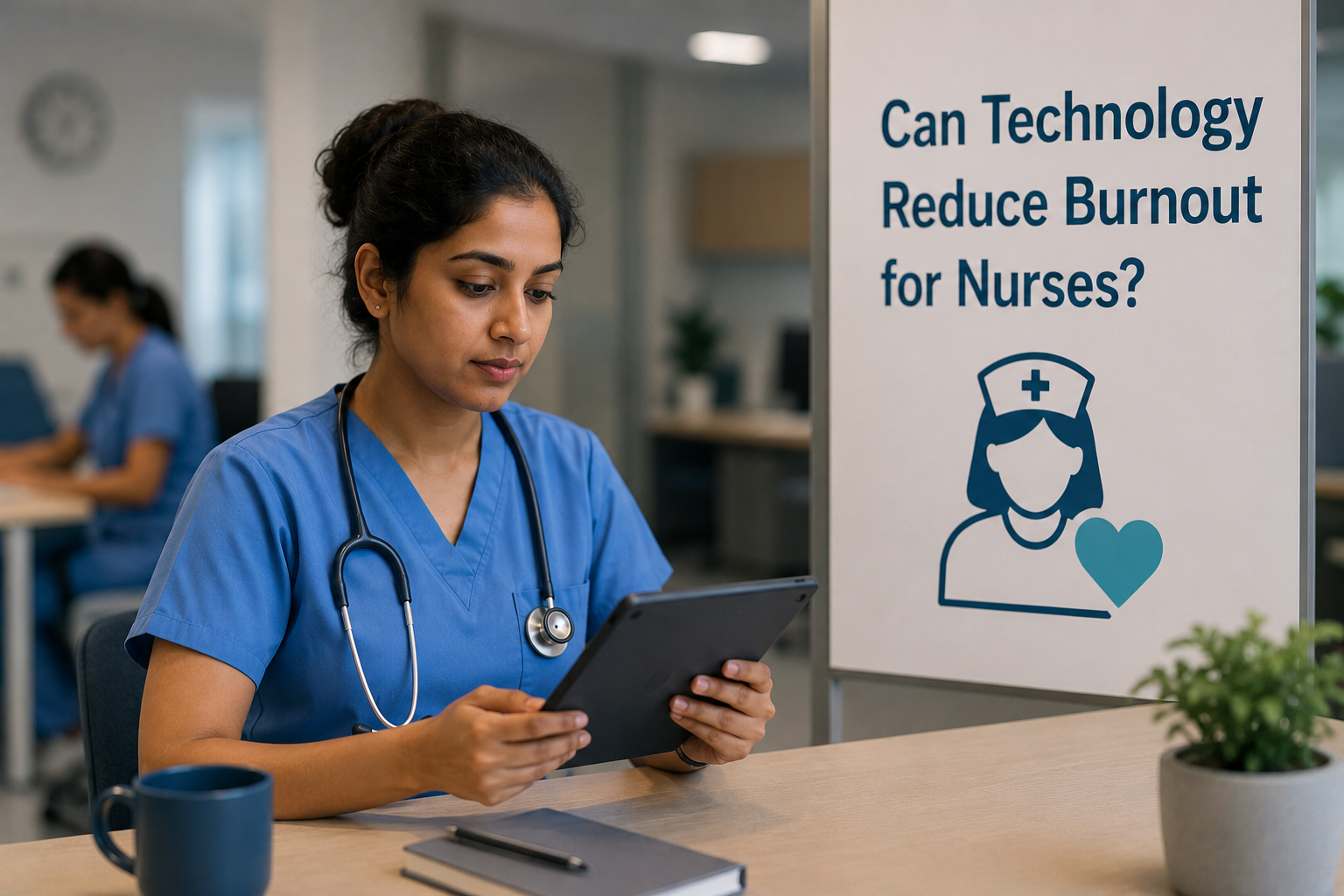
Nurses play a critical role in healthcare delivery, but long working hours and constant patient care responsibilities can lead to severe physical and emotional burnout. Modern healthcare technologies may offer effective solutions to help reduce workload pressures and improve well-being.
From assisting doctors during complex surgical procedures to monitoring patient vitals, administering medications and delivering personalised care, nurses remain the backbone of healthcare systems.
However, continuous work pressure and extended shifts can contribute significantly to physical exhaustion, emotional stress and professional burnout among nursing staff.
Nurse burnout often remains under-discussed, particularly in countries like India, where shortages of trained healthcare professionals further increase workplace pressure.
Common symptoms of burnout among nurses include fatigue, disrupted sleep patterns, lack of motivation, mood swings and reduced professional performance.
As healthcare systems increasingly adopt digital transformation, an important question emerges: can modern technology help reduce burnout among nurses?
How Technology Can Help Reduce Nurse Burnout
Technological advancements can help improve healthcare operations, reduce administrative burdens and support nurses in managing daily responsibilities more efficiently.
Electronic Health Records
Efficient patient data management is essential for improving operational workflow in hospitals.
Electronic Health Records (EHRs) allow healthcare facilities to store and access patient information digitally, reducing the burden of manual paperwork.
By eliminating time-consuming record maintenance, EHR systems can help lower administrative workload and reduce burnout risk among nurses.
Artificial Intelligence Tools
Artificial Intelligence (AI) tools can assist nurses in analysing extensive medical records and identifying appropriate medical interventions more efficiently.
AI systems can also help monitor treatment effectiveness and provide early alerts regarding potential adverse outcomes.
In addition, AI-powered scheduling systems can support staff roster management, helping healthcare institutions distribute workload more effectively over time.
Wearable Devices
Wearable healthcare devices can support both nurses and patients through continuous health monitoring.
- Tracking heart rate and blood pressure
- Monitoring sleep quality and stress indicators
- Identifying early signs of health abnormalities
- Supporting remote patient monitoring
By helping nurses monitor their own well-being, wearable devices can encourage early intervention and healthier work-life balance practices.
Simultaneously, patient monitoring wearables can reduce repetitive manual monitoring tasks, lowering overall workload pressure for nursing staff.
Digital Immunisation Management
Nurses working on the frontline are frequently exposed to infectious diseases, making vaccination management essential for workplace safety.
Digital immunisation dashboards can help track vaccination schedules and provide reminders for booster doses.
Such systems can improve healthcare worker safety and reduce the risk of infection transmission within healthcare settings.
Telehealth and Remote Consultations
Telehealth services can help reduce the need for frequent in-person nursing visits, especially for patients receiving care at home.
Through video consultations, nurses can collect patient information remotely, provide medical guidance and monitor patient progress efficiently.
Telehealth also improves access to healthcare for patients living in remote or underserved regions who require regular medical support.
Challenges Associated with Technological Interventions
Despite the benefits of healthcare technology, certain operational and ethical challenges remain.
- Some healthcare professionals may not be fully comfortable using advanced digital tools or interpreting complex data.
- Dependence on AI systems in critical medical situations may create hesitation among healthcare workers.
- Patient data privacy and security concerns remain important ethical considerations.
- Some patients may still prefer personalised human interaction over technology-driven healthcare support.
Conclusion
Modern healthcare technologies have the potential to significantly reduce burnout among nurses while improving overall healthcare efficiency.
Tools such as electronic health records, AI-powered systems, wearable devices and telehealth platforms can help streamline workloads and support better workplace well-being.
However, successful implementation also requires addressing technological barriers, ethical concerns and the importance of maintaining personalised patient care.