
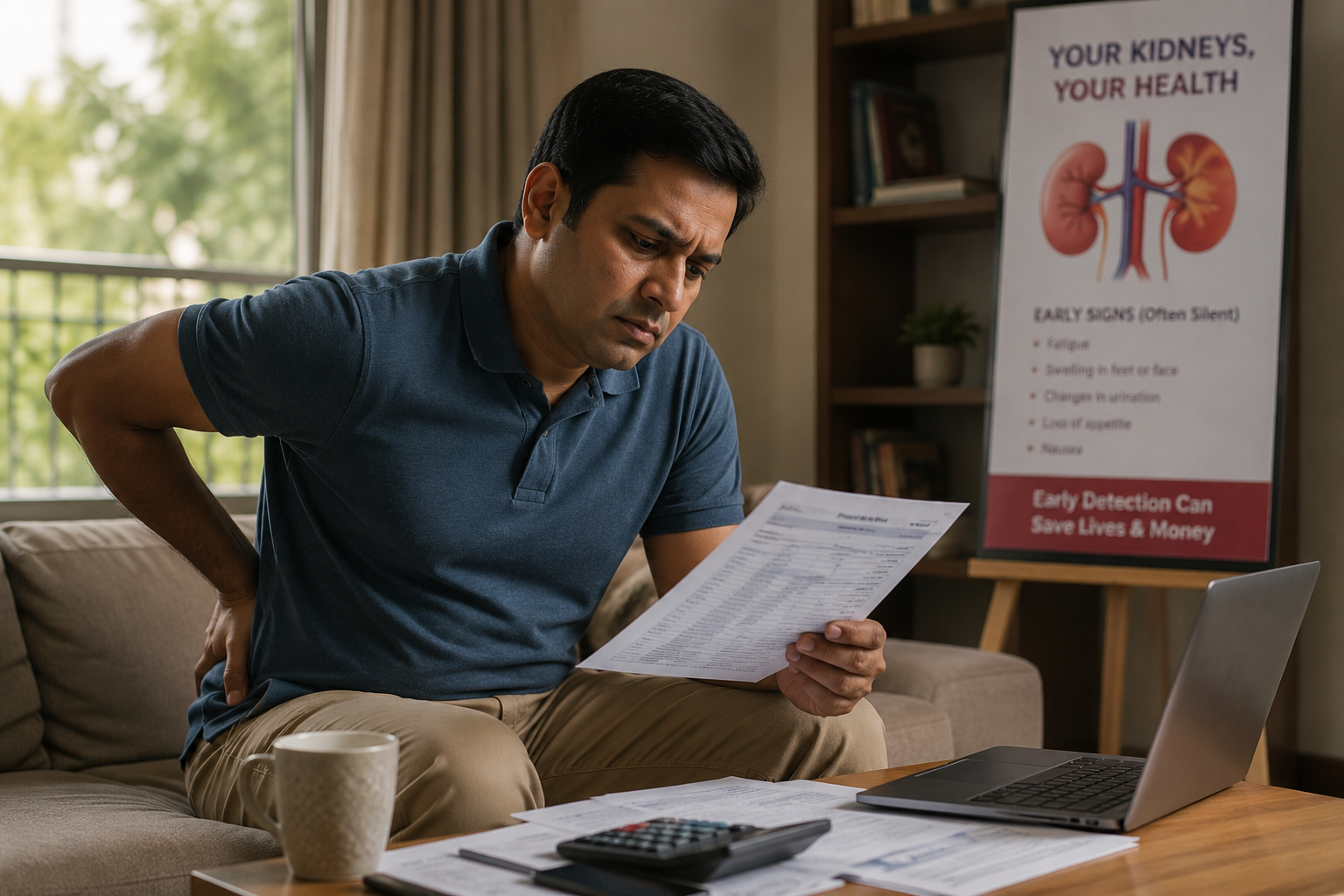
Chronic kidney disease is rapidly emerging as a major public health concern in India. Delayed diagnosis, sedentary lifestyles and rising lifestyle disorders are contributing significantly to the increasing burden of kidney-related complications.
In recent years, chronic kidney disease (CKD) has become an epidemic in India, demanding urgent medical attention and awareness.
According to a study published in The Lancet in 2023, India ranks second globally in terms of CKD prevalence, with nearly 138 million people affected by the disease. China remains the only country with a higher burden, accounting for approximately 152 million cases.
Types of Kidney Problems
Kidney disorders are broadly classified into acute kidney injury (AKI) and chronic kidney disease (CKD).
AKI refers to a sudden decline in kidney function that develops within one or two weeks. If diagnosed early, the condition can often be reversed, although temporary dialysis may sometimes be required.
CKD, on the other hand, persists for more than three months and may range from mild to severe depending on kidney function.
Kidney performance is commonly measured through the glomerular filtration rate (GFR), which is considered normal when close to 90 ml/min/1.73 m² of body surface area.
The Fallout of Modern Lifestyle
Over the past few decades, the lifestyle of the Indian population has changed drastically. Sedentary habits, poor sleep quality and increased consumption of junk and ultra-processed foods have contributed to a rise in lifestyle-related disorders.
Conditions such as diabetes, hypertension, obesity and fatty liver disease are now increasingly common, with people suffering from diabetes and hypertension accounting for nearly 60% of CKD cases.
The situation becomes more severe due to delayed diagnosis, as many individuals seek medical help only after kidney disease has progressed to advanced stages.
Silent Symptoms of Chronic Kidney Disease
One of the biggest challenges with CKD is that most patients experience no noticeable symptoms during the early stages of the disease.
In many cases, symptoms may not appear even until stage three, making regular health screenings extremely important.
Common warning signs include:
- Foam or blood in the urine
- Swelling in the legs, hands and face
- Anaemia and persistent fatigue
- Frequent urination during the night
Dialysis and Insurance Coverage
The fifth stage of CKD is referred to as end-stage renal disease (ESRD), where kidney function falls below 15%. At this stage, patients generally require dialysis or a kidney transplant.
Kidneys play a critical role in filtering excess fluids and removing waste products from the body. During dialysis, blood is passed through an artificial kidney or dialyser, where toxins and excess fluids are removed before purified blood is returned to the body.
The number of dialysis sessions required each month depends on the severity of the disease, making comprehensive health insurance extremely important.
If kidney disease is diagnosed before purchasing insurance, insurers may impose a waiting period of two to four years before claims related to treatment become eligible.
Tips to Maintain Kidney Health
- Maintain healthy body weight through regular exercise and a balanced diet
- Ensure adequate daily water intake of around 1.5 to 2 litres for healthy adults
- Restrict excessive salt consumption
- Limit intake of junk and ultra-processed foods
- Follow prescribed medications for diabetes and hypertension consistently
Importance of Annual Health Check-ups Covered Under Policies
Early diagnosis remains one of the most effective ways to prevent complications associated with chronic kidney disease.
Annual health check-ups help ensure timely detection, faster medical intervention and improved long-term outcomes.
Many comprehensive insurance policies include full body check-ups and kidney function tests, which not only provide financial support but also encourage regular preventive screenings.
Conclusion
With kidney-related ailments rising rapidly in India, urgent lifestyle modifications and preventive healthcare measures have become increasingly important.
At the same time, regular annual health check-ups and comprehensive insurance coverage can play a vital role in ensuring early diagnosis, timely medical intervention and better kidney health outcomes.