

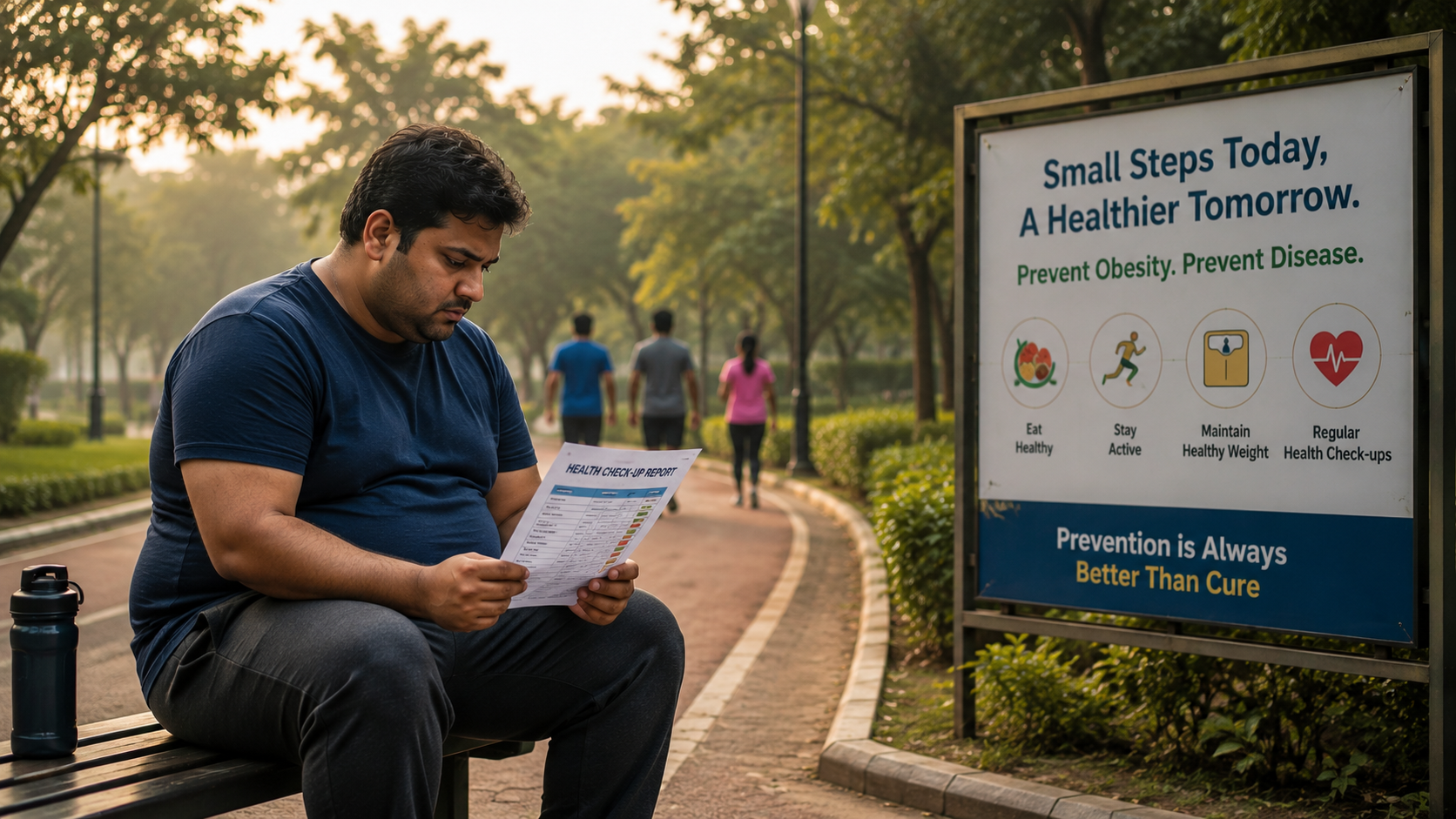
Obesity has rapidly emerged as one of the most serious public health challenges in India, affecting both younger and older populations and significantly increasing the risk of chronic lifestyle diseases and rising medical expenses.
The obesity crisis in India has intensified over the past decade, driven largely by sedentary lifestyles, unhealthy dietary habits and compromised sleep quality.
According to the National Family Health Survey-5 (2019–2021), nearly 24% of women and 23% of men in India were classified as overweight or obese.
Increasing consumption of junk, processed and ultra-processed foods, combined with reduced physical activity, has contributed significantly to this growing epidemic.
Obesity and the Risk of Lifestyle Diseases
Obesity is considered one of the leading contributors to lifestyle-related diseases such as type 2 diabetes, cardiovascular disorders and obstructive sleep apnoea.
According to the World Health Organization (WHO), nearly 77 million Indians above the age of 18 are living with type 2 diabetes, while approximately 25 million individuals are prediabetic.
Rising obesity levels have also increased instances of cardiovascular diseases and sleep-related breathing disorders among younger populations, negatively affecting overall quality of life and increasing future health risks.
Understanding TOFI: Thin Outside, Fat Inside
A significant section of the Indian population falls under the category known as TOFI — Thin Outside, Fat Inside.
Individuals with TOFI may appear lean externally but possess high levels of internal body fat, placing them at elevated risk for metabolic and lifestyle disorders.
This condition is typically identified through a Body Mass Composition (BMC) test, which provides a more accurate assessment of body fat percentage compared to traditional body weight measurements.
Issues with Long-Term Insurance Claims
Long-term complications associated with obesity often lead to repeated medical conditions, including cardiovascular disease, fatty liver disease and neurological disorders.
Frequent health complications over time may create challenges during insurance claims, ranging from higher insurance premiums to delays or rejection of claims in certain situations.
Why Prevention is Better Than Cure
Preventive lifestyle measures remain one of the most effective ways to reduce the risk of obesity and related complications.
Maintaining a balanced diet, limiting the intake of unhealthy foods and leading an active lifestyle can significantly improve long-term health outcomes.
A proper fitness routine should ideally include a healthy balance of strength training and cardiovascular exercise, along with stress management and quality sleep.
Professional commitments often make it difficult for individuals to prioritise fitness and overall well-being. Maintaining a healthy work-life balance and making health a consistent priority are therefore essential.
Additionally, instead of relying solely on the Body Mass Index (BMI), individuals should consider undergoing a Body Mass Composition (BMC) test to accurately assess body fat percentage and overall metabolic health.
Conclusion
Sedentary lifestyles, poor eating habits and declining sleep quality have collectively contributed to the obesity epidemic in India.
The resulting increase in lifestyle diseases not only affects quality of life but also significantly raises long-term medical costs and insurance-related challenges.
Adopting healthy lifestyle habits early in life and maintaining them consistently into old age remains one of the most effective strategies for reducing obesity-related health risks.