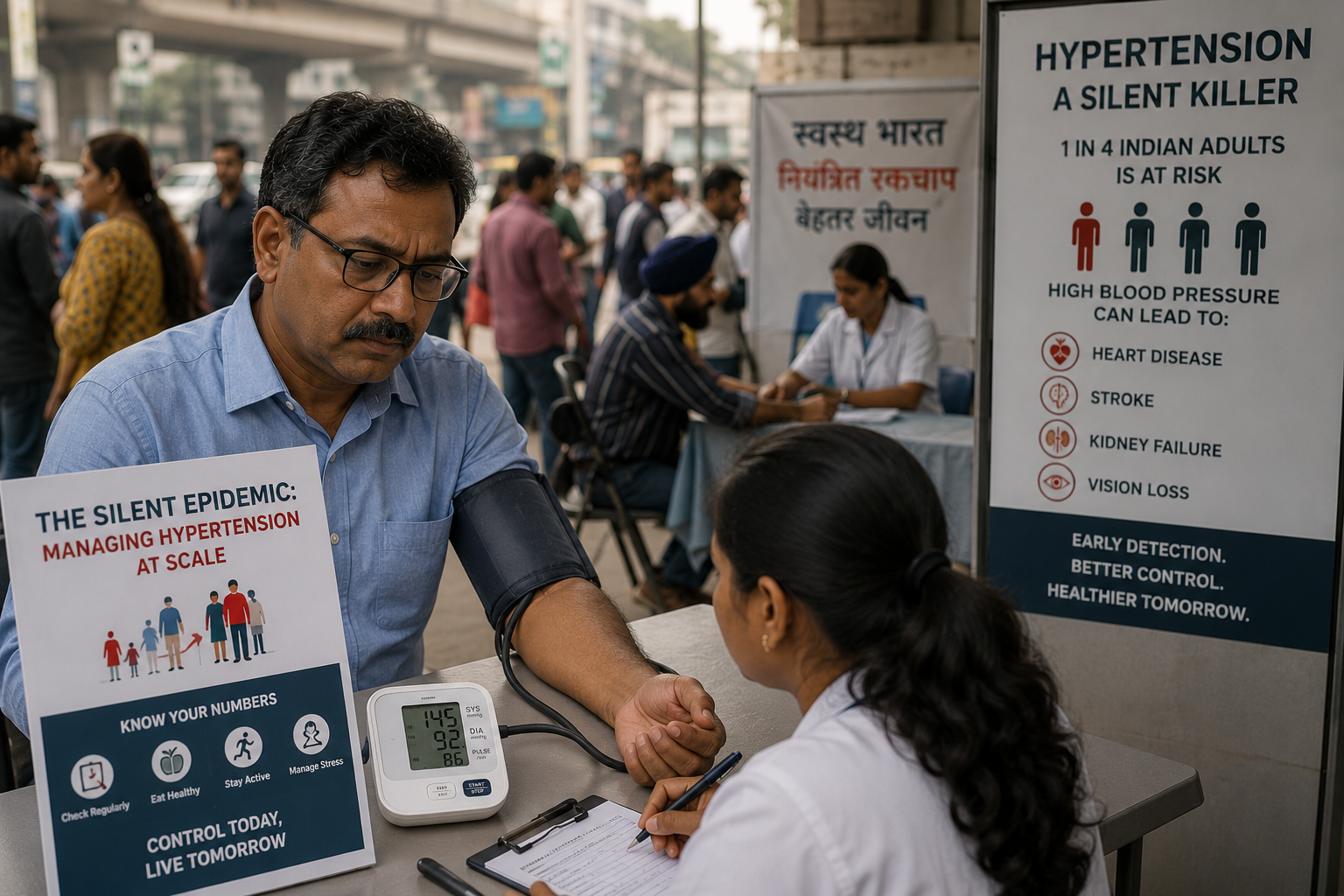
Rising stress levels, unhealthy diets and sedentary lifestyles are contributing to a growing hypertension crisis in India, increasing the long-term risk of cardiovascular diseases and other serious health complications.
A combination of sedentary lifestyles, processed food consumption, chronic work stress and poor sleep quality has significantly increased the prevalence of lifestyle diseases among Indians.
Hypertension, or high blood pressure, is now being diagnosed in people even before the age of 40, making it a major public health concern.
According to the World Health Organization (WHO), non-communicable diseases account for nearly 63% of all deaths in India. Around 27% of these deaths result from cardiovascular diseases, which affect nearly 45% of individuals between 40 and 69 years of age.
Hypertension gradually damages arteries over time and significantly increases the risk of heart disease and stroke. It is also linked with kidney disorders, metabolic complications, dementia and sexual health problems.
Silent Symptoms of Hypertension
High blood pressure is often referred to as a “silent disease” because symptoms may remain unnoticed for long periods.
Some common warning signs associated with hypertension include:
- Persistent headaches
- Nosebleeds
- Shortness of breath
- Chest pain
- Vision-related problems such as glaucoma
- Kidney-related complications
- Fatigue and weakness
Managing Hypertension Naturally
Along with prescribed medications, certain lifestyle measures can help individuals manage hypertension more effectively and naturally.
- Lifestyle alterations: Engaging in at least one hour of moderate-intensity physical activity daily, combined with a balanced diet rich in leafy greens and fruits, can help regulate blood pressure levels.
- Stress management: Stress is one of the key triggers for hypertension. Meditation, mindfulness and hobbies such as music, painting and reading can help improve emotional well-being.
- Smoking and alcohol cessation: Quitting smoking and reducing alcohol intake can strengthen cardiovascular and respiratory health over time.
- Maintaining healthy body weight: Obesity remains one of the leading causes of high blood pressure, making weight management essential.
- Salt limitation: Excess sodium intake is strongly linked with hypertension. The WHO recommends limiting sodium intake to less than 2000 mg or approximately 5 g per day.
Technological Intervention in Managing Hypertension
Combining traditional treatment approaches with modern healthcare technology can improve hypertension management and monitoring.
- Wearable devices and AI tools: Smart wearable devices enable continuous monitoring of vital cardiac parameters, while AI tools can analyse patient data and assist in identifying warning signs early.
- Digital monitoring devices: Home digital blood pressure monitors allow individuals to track blood pressure regularly without frequent clinic visits.
- Telemedicine: Remote consultation services help patients connect with healthcare professionals conveniently, especially older adults and individuals living in remote locations.
Conclusion
Unhealthy lifestyle habits can gradually trigger hypertension, increasing the long-term risk of cardiovascular disease and stroke.
Maintaining a healthy diet, staying physically active, managing stress effectively and incorporating preventive healthcare practices are essential steps toward keeping blood pressure under control.