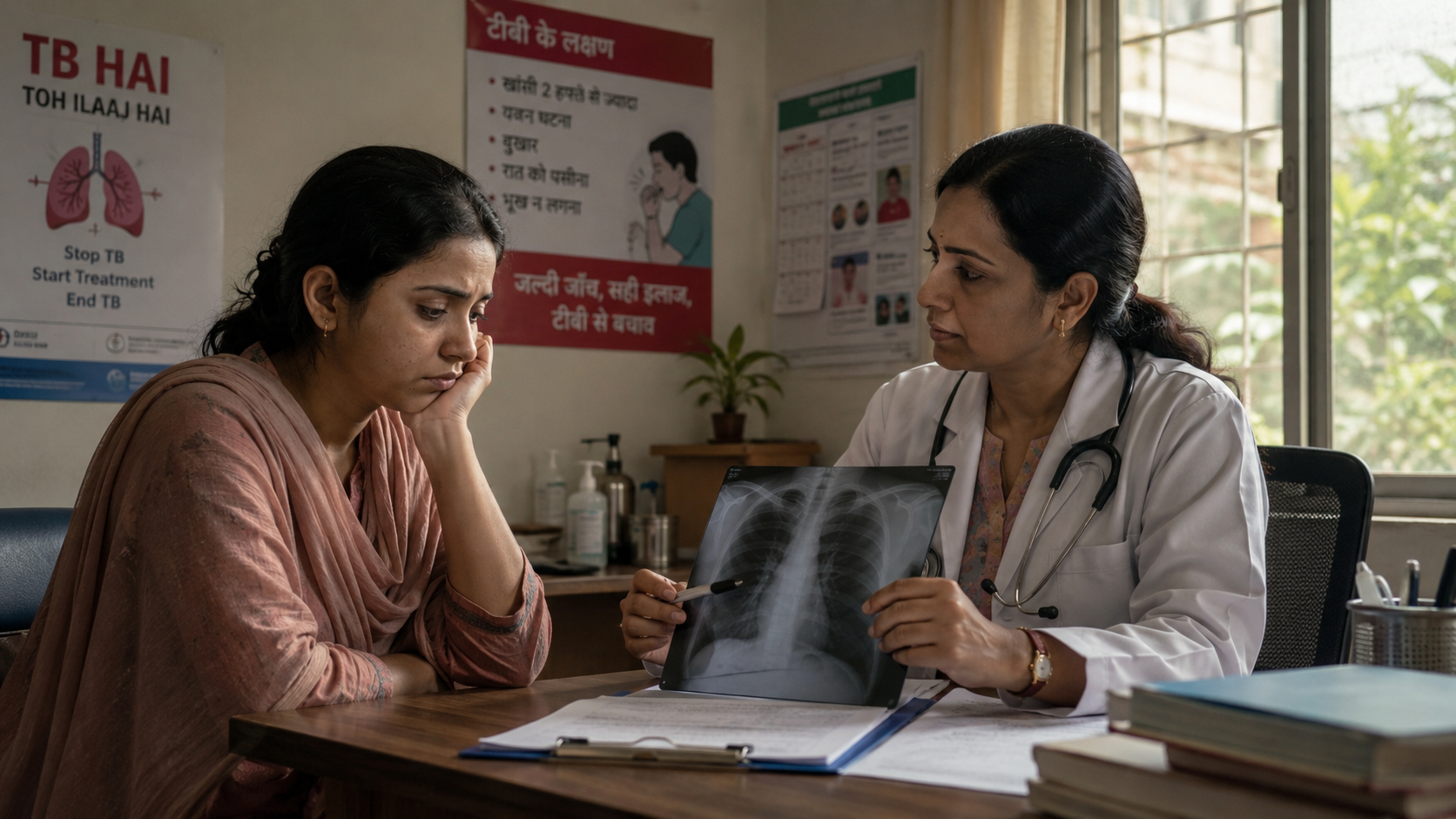
Tuberculosis continues to remain a major public health challenge in India, particularly for women who often face social stigma, delayed diagnosis and barriers to accessing timely treatment and healthcare support.
For decades, tuberculosis (TB) has remained a significant health crisis in India. In 2024, the TB incidence rate stood at 187 cases per lakh population. Earlier, in 2021, India accounted for nearly 26% of multidrug-resistant tuberculosis (MDRTB) cases globally, followed by Russia and Pakistan.
Social stigma has long been one of the biggest obstacles to TB eradication efforts. Fear of discrimination and social isolation often causes patients to delay approaching a doctor.
The situation becomes even more complicated for women, who frequently face higher disease-related stigma, including fear of rejection during marriage proposals or concerns about acceptance by husbands and in-laws.
Social Stigma and Its Impact on Women
Studies have reported that women are more likely to hide their tuberculosis status compared to men, primarily due to societal judgment and family-related pressures.
Research in India has also highlighted a concerning contrast: while men diagnosed with TB often expect care and support from their wives, infected women frequently receive limited support during treatment.
Greater efforts are needed to ensure women in developing countries receive proper treatment and emotional support, especially since tuberculosis remains one of the leading causes of morbidity and mortality among women of reproductive age.
Tuberculosis and Treatment Adherence
Adhering to the prescribed treatment protocol has emerged as one of the biggest challenges in TB management. Tuberculosis treatment generally requires patients to follow a strict six-month medication regimen.
However, many patients discontinue medications midway, particularly after feeling better within two or three months of treatment.
Interrupting treatment not only increases the chances of infection worsening, but also raises the risk of reinfection and the development of drug-resistant tuberculosis (DRTB).
For women, societal expectations of prioritising family responsibilities over personal health, combined with household burdens, often result in poor adherence to treatment schedules. Family support therefore becomes extremely important during recovery.
Hospitalisation Expenses
The Indian government provides free medications and cashless tuberculosis treatment in state-run hospitals and healthcare centres.
However, many patients also seek treatment at private hospitals, where medical expenses and hospitalisation costs can become financially overwhelming.
Insurance Support for Tuberculosis Treatment
Tuberculosis treatment is covered under most health insurance policies available in India, with coverage amounts ranging from ₹50,000 to several crores depending on the plan selected.
However, if tuberculosis is classified as a pre-existing condition at the time of purchasing the policy, insurers may impose a waiting period during which treatment expenses are not covered.
Choosing a comprehensive insurance policy is therefore essential, as it helps ensure broader medical coverage and access to different treatment options.
Individuals with comorbidities such as diabetes or HIV/AIDS, where immunity is already compromised, should strongly consider securing dedicated medical insurance coverage for tuberculosis treatment.
Conclusion
With India continuing to carry a high tuberculosis burden, greater awareness regarding treatment adherence, timely diagnosis and insurance policy coverage is essential.
Breaking social stigma and educating individuals about healthcare coverage are important steps toward ensuring effective treatment and long-term eradication of tuberculosis.