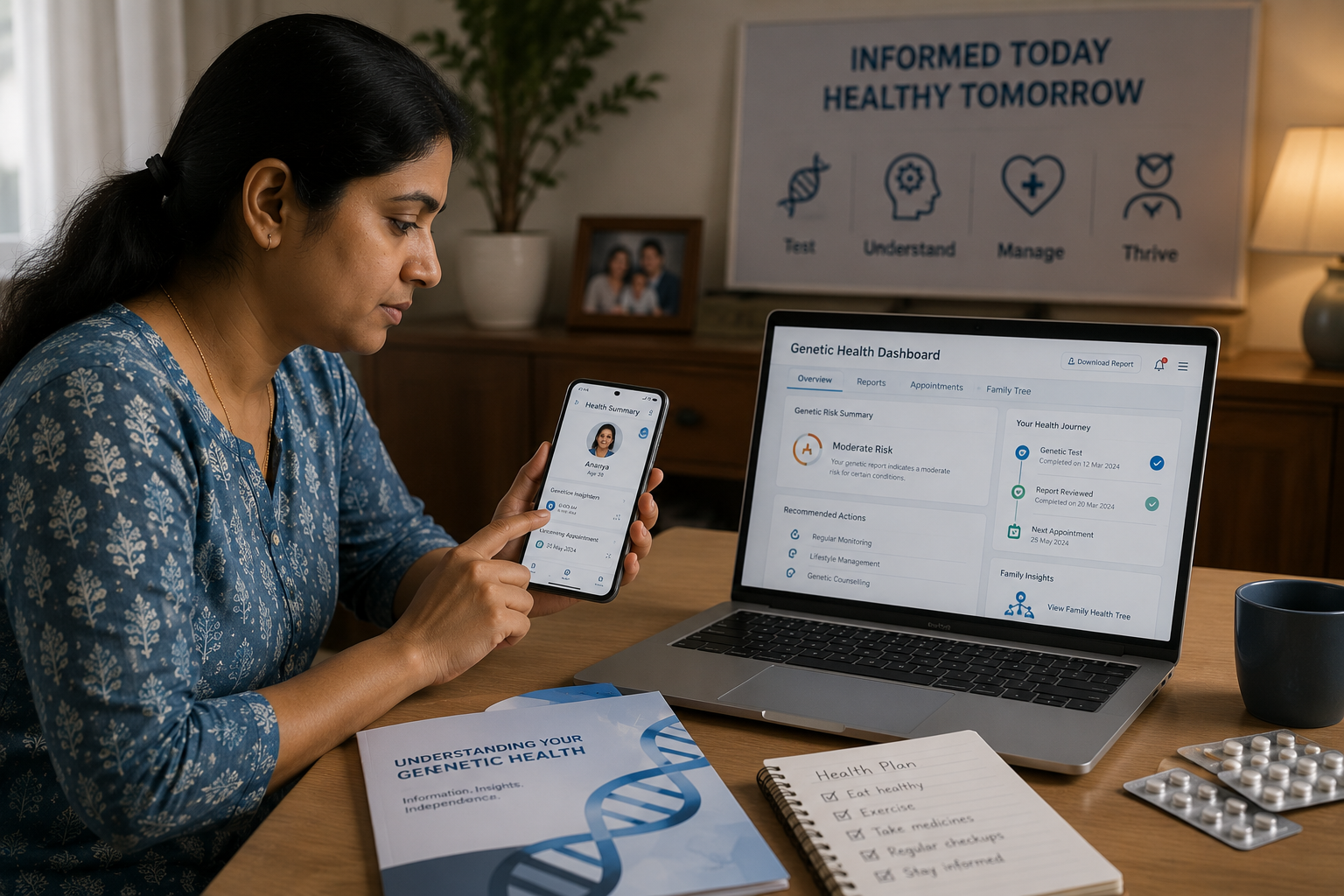
Technological advancements in healthcare are transforming the way genetic disorders are diagnosed, monitored and managed, helping patients and caregivers improve treatment accessibility, safety and long-term disease management.
Although genetic disorders are found worldwide, conditions such as thalassaemia have a particularly high prevalence in Southeast Asia.
Official records indicate that nearly 10,000 to 15,000 babies are born with thalassaemia every year in India.
Currently, stem cell transplantation — where defective bone marrow cells are replaced with healthy stem cells — remains the only definitive treatment option.
Without transplantation, patients often rely on lifelong blood transfusions and chelation therapy to manage the condition. Similar long-term challenges are also faced by individuals living with haemophilia, sickle cell anaemia and various neuromuscular disorders.
Combining healthcare technology with traditional medical approaches can significantly improve disease management and enhance the quality of life for patients and caregivers.
Electronic Dashboard for Blood Availability
Patients with conditions such as thalassaemia often require regular blood transfusions, while individuals with haemophilia may require blood support during emergencies.
Access to compatible blood can become a major challenge, particularly for patients with rare blood groups.
An electronic dashboard integrating real-time blood bank availability along with donor information can help improve accessibility and reduce delays during emergencies.
Digital Health Platforms
Digital health platforms can help bridge awareness gaps by making educational content and healthcare resources easily accessible to patients and caregivers.
These platforms can also support online communities where patients, parents and caregivers can connect, share experiences and provide emotional and practical support to one another.
Enhanced Safety During Blood Transfusions
For patients requiring frequent blood transfusions, technology plays a crucial role in improving treatment safety.
Advanced testing protocols for detecting viruses, infections and other harmful agents help ensure safer blood transfusions and reduce the risk of complications for recipients.
Gene Sequencing and Early Risk Detection
Gene sequencing involves analysing an individual's DNA structure to identify specific gene variants associated with inherited disorders.
Early identification of genetic risk factors can help individuals and families take preventive measures and seek timely medical intervention when necessary.
Artificial Intelligence (AI) in Genetic Healthcare
Artificial Intelligence (AI) tools are increasingly being used to analyse complex genome sequencing data and improve diagnosis of genetic disorders.
AI systems can also assist in maintaining patient records, streamlining healthcare workflows and responding to patient queries through intelligent chatbots.
One such example is the “TIF AI Knowledge Bot” developed by the Thalassaemia International Federation, which provides educational support related to genetic diseases.
Telemedicine and Remote Care
Telemedicine has emerged as an effective solution for remote monitoring and early medical intervention, particularly in regions where specialist healthcare access is limited.
Through video consultations, patients can connect with healthcare experts without the need for extensive travel.
Telemedicine also proves beneficial in conditions such as Down syndrome, where both patients and caregivers often require continuous counselling and emotional support.
Electronic Health Records
Electronic health records (EHRs) allow healthcare providers easy access to patient history, treatment records and previous medical interventions.
Digital patient records help doctors make informed decisions regarding future treatment plans and improve continuity of care.
Large-scale patient data collected electronically can also support government agencies and research institutions in designing better healthcare strategies and intervention measures for genetic disorders.
Conclusion
Technological intervention is playing an increasingly important role in managing thalassaemia and other genetic disorders.
From AI-driven diagnosis and telemedicine to electronic health records and advanced blood safety systems, health technology has the potential to improve disease management, support early intervention and enhance the overall quality of life for patients and caregivers.